Blog

Corporate Escape Rooms: How Immersive Experiences Are Transforming HR, Organizational Culture, and T

Corporate Escape Rooms: How Immersive Experiences Are Transforming HR, Organizational Culture, and T

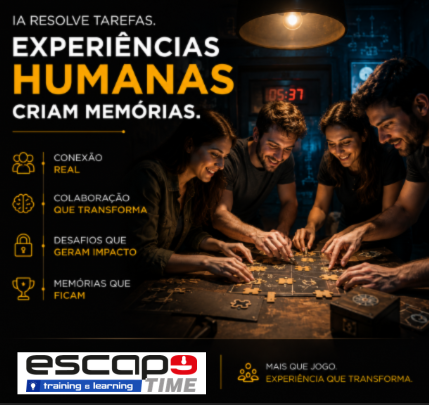
The future of work will not only be more technological. It will be more human. For years, companies focused on increasing productivity through tools, processes, and automation. Now, a new reality is emerging: sustainable productivity increasingly depends on focus, collaboration, mental well-being, and human connection. In a world dominated by:
7 Productivity Bottlenecks in Companies: How to Fix Leadership and Team Performance Issues

7 Productivity Bottlenecks in Companies: How to Fix Leadership and Team Performance Issues

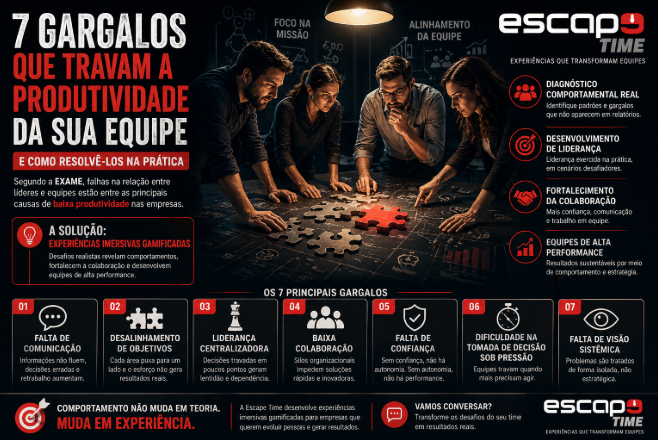
Low productivity in companies is rarely just a matter of processes or technology. In most cases, the main bottlenecks lie in the relationship between leaders and teams. According to an analysis published by Exame, issues such as poor communication, misaligned goals, and lack of collaboration are among the top factors impacting organizational performance.
Why Designing an Escape Room Is More Like Producing a Netflix Series Than You Think

Why Designing an Escape Room Is More Like Producing a Netflix Series Than You Think

At first glance, an escape room might seem like just a collection of puzzles, locks, and logical challenges. But that’s a superficial view. In reality, creating a high-quality immersive experience is far closer to producing a Netflix series than designing a traditional game. And understanding this difference is what separates forgettable experiences from truly memorable ones.
The mistake 90% of teams make (and only realize when it’s too late)

The mistake 90% of teams make (and only realize when it’s too late)

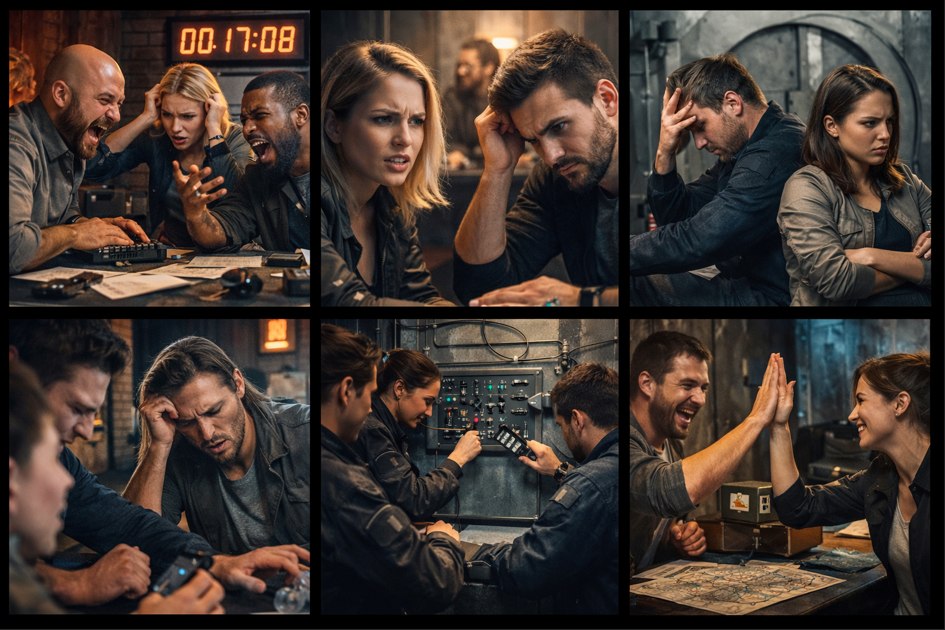
Imagine the following situation: Your team has 60 minutes to solve a critical problem. Time is running out. The pressure is rising. The answer is not obvious. And then the chaos begins. People talking at the same time. Ideas being ignored. Someone trying to solve everything alone. And in the end… nothing happens. The team freezes.
New Year Kick-off: 3 Formats That Create Real Alignment (Not Just Speeches)

New Year Kick-off: 3 Formats That Create Real Alignment (Not Just Speeches)

Every start of the year brings the same scene: a big presentation, flawless slides, inspiring speeches… and then, a few weeks later, the feeling that it “didn’t stick.” The goals were communicated, but they didn’t translate into day-to-day behavior. That happens because alignment isn’t about informing. Alignment is about helping the group build shared understanding and decide—together—what matters most, how we’ll act in practice, and what it means to “win the game” that year.
**English translation:**  An off-site that turns into behavior: how @teracapital worked on performan

**English translation:** An off-site that turns into behavior: how @teracapital worked on performan

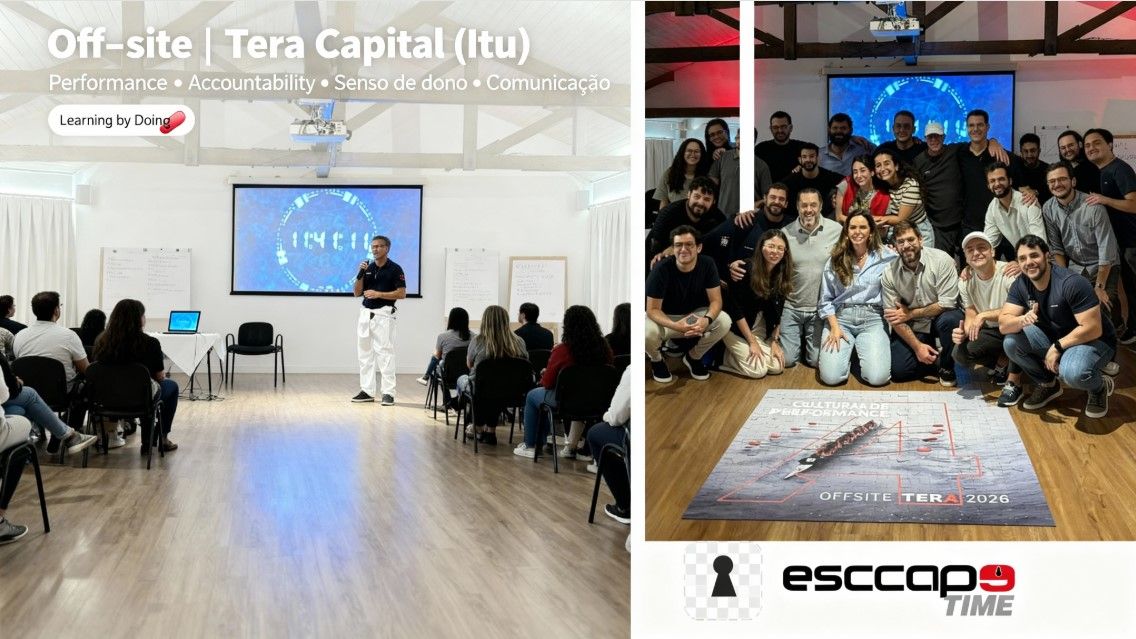
**English translation:** A case study from Tera Capital’s off-site in Itu: how we used Learning by Doing through an escape-time-style dynamic and a structured debriefing to turn performance, accountability, ownership mindset, and communication into practical actions in day-to-day work. There is a huge difference between talking about performance and actually operating at a high-performance level. In any company, it’s common to see topics like accountability, ownership, and communication show up in meetings, presentations, and culture rituals. The real challenge begins when the team has to make decisions under pressure, coordinate dependencies, deal with conflicting priorities, and stay focused on delivery.

5 Lessons We Learned Creating Immersive Experiences (and How They Can Help You Start the Year Strong

5 Lessons We Learned Creating Immersive Experiences (and How They Can Help You Start the Year Strong

Every new year comes with plans, goals, and expectations. Companies reorganize, teams reset priorities, and leaders ask the same question: What will truly make a difference in this new cycle? After years of creating immersive experiences and closely observing real human behavior inside our games, we learned something fundamental: People don’t connect with products. They connect with experiences. And this insight goes far beyond entertainment. It applies to businesses, brands, leadership, and teams that want to start the year with more clarity, impact, and real results. Below, we share 5 lessons we learned by creating immersive experiences — lessons that can transform the way you begin and lead this year.
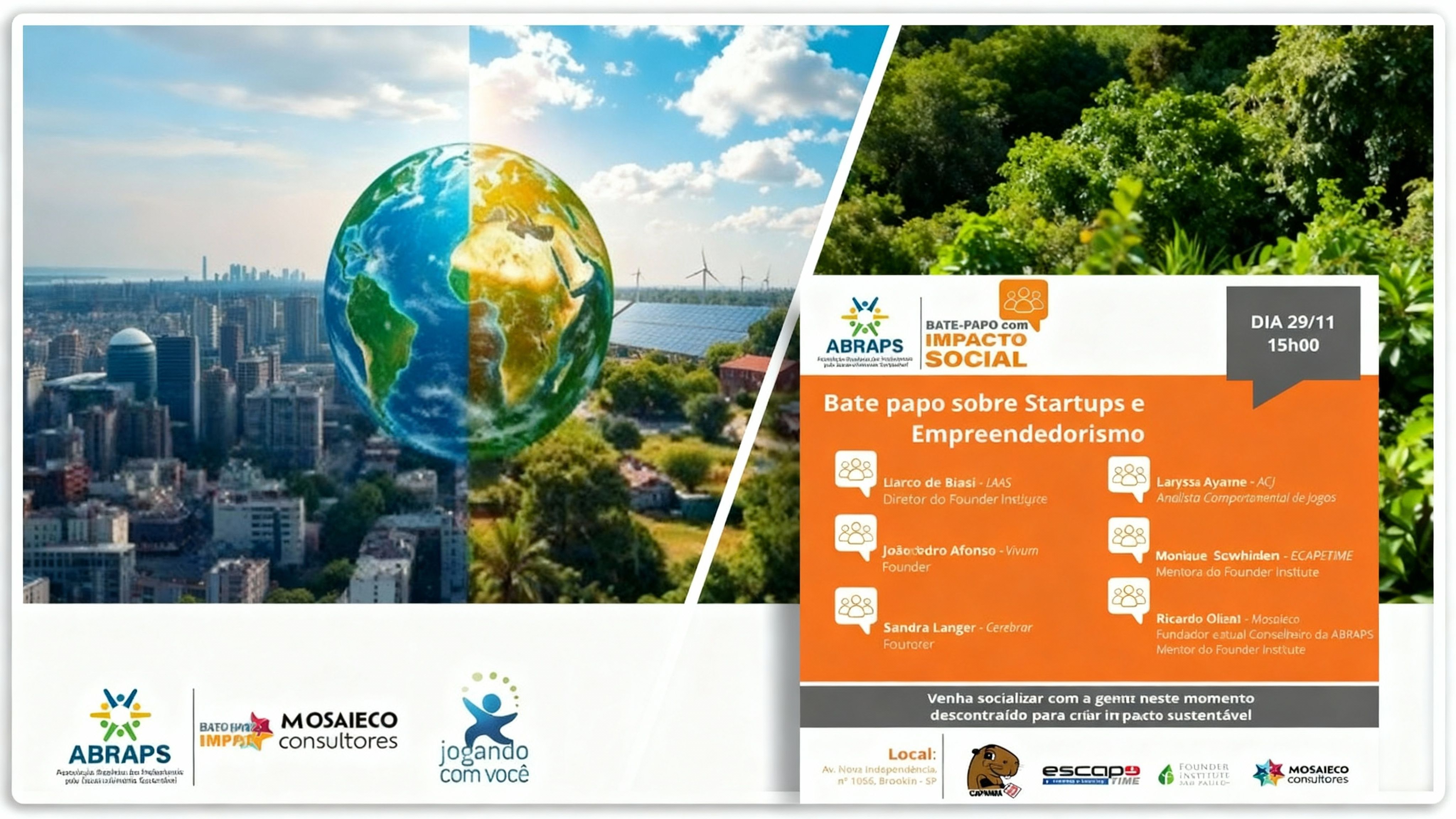
November Agenda at Escape Time Brazil: why these events matter for companies and how to apply this f

November Agenda at Escape Time Brazil: why these events matter for companies and how to apply this f

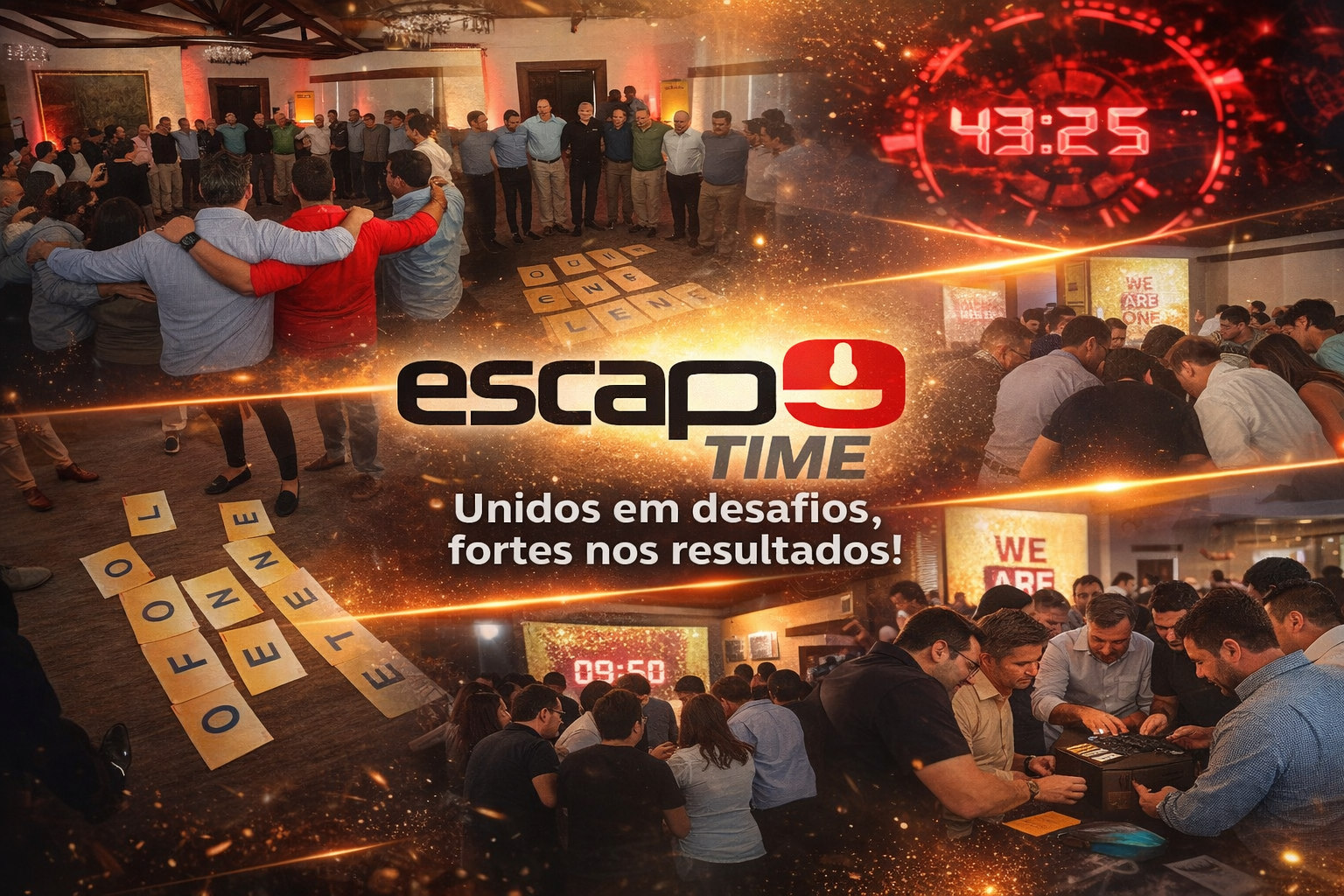
November will be a month of impact, innovation, and immersive experiences at Escape Time Brazil. In addition to inviting you to the events below, we want to show—clearly and technically—how these formats generate measurable value for areas such as HR, Learning & Development, Culture, and ESG, as well as for Marketing and Corporate Live Marketing. Why do these formats work for companies? Active learning and content retention / Engagement and motivation—and much more.
Experiential Learning: How Direct Experience Strengthens Ethical Culture in Organizations

Experiential Learning: How Direct Experience Strengthens Ethical Culture in Organizations

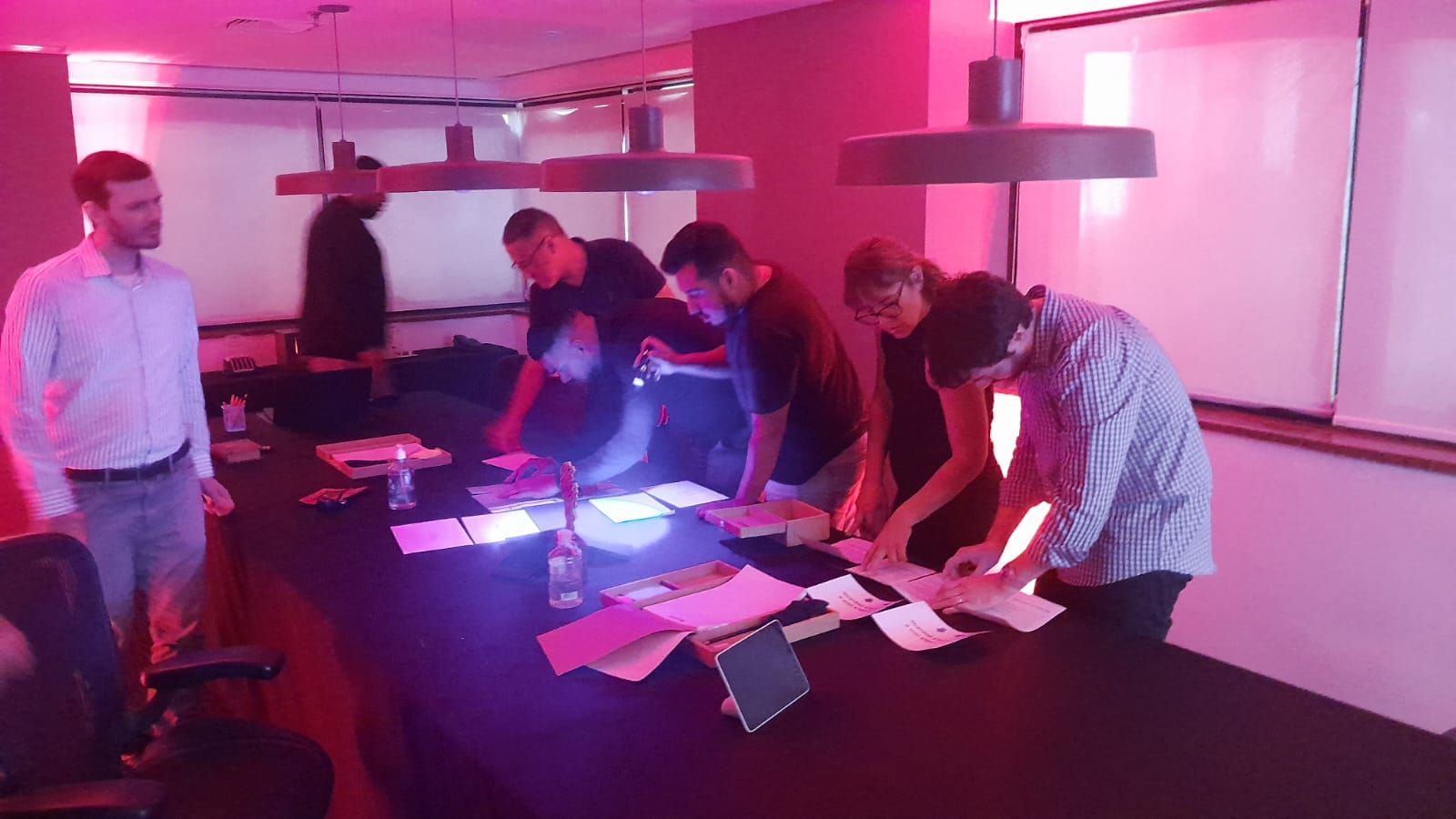
Last week, we conducted a truly transformative experience with Essentia. All employees participated in a specially designed corporate escape game to address themes of ethics, decision-making, and collaboration. The challenge was clear: an ethics alert had been triggered in the company’s system. Participants, divided into teams, had 40 minutes to investigate failures, make critical decisions, and report risks, thereby protecting the organization’s reputation. More than just a game, it was a behavioral laboratory.
Goodbye, PowerPoint: Why the Future of Corporate Training Is 'Learning by Doing'

Goodbye, PowerPoint: Why the Future of Corporate Training Is 'Learning by Doing'

Does this scenario sound familiar? Meeting rooms, endless slides, and that lingering feeling that little of the content presented will actually be applied in daily work. For years, the corporate training model has been based on passive information transfer. But the world has changed—and so has the way we learn. The era of passive learning is coming to an end. Welcome to the revolution of "Learning by Doing", a methodology that replaces static theory with dynamic experience and is redefining what it means to empower a high-performance team.